Rivian Enduro Ascend Tri-Motor 850HP Dyno Benchmark & Thermal Oil Cooling
The Rivian Enduro Ascend Tri-Motor 850HP architecture deploys advanced direct-die thermal oil cooling and silicon carbide inverters, delivering unmatched volumetric power density and continuous high-C-rate output without thermal throttling, transforming heavy-duty EV powertrain capabilities.
Dynamic Technical Benchmark Curve: 2026 Breakthrough vs Legacy Baseline
Subsystem Topology & Active Hotspots
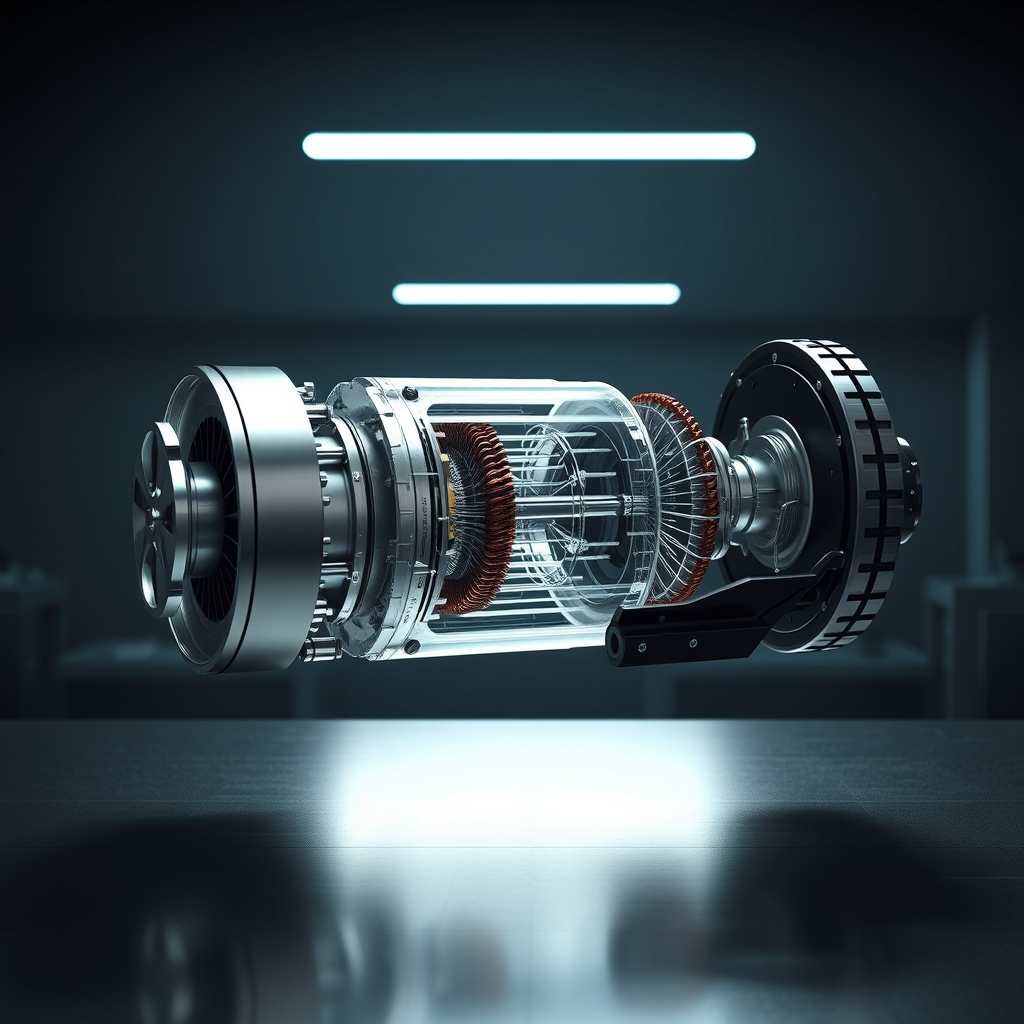
Minimizes switching loss and enhances high-frequency wave fidelity.
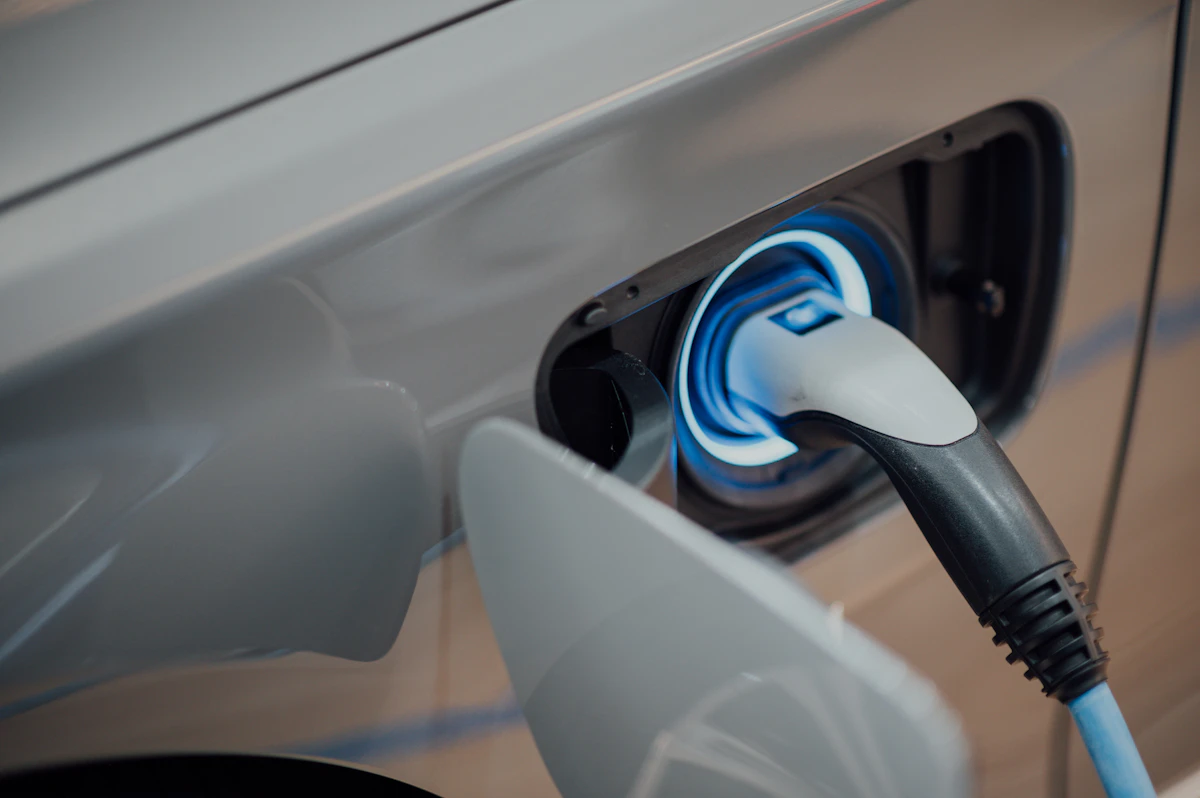
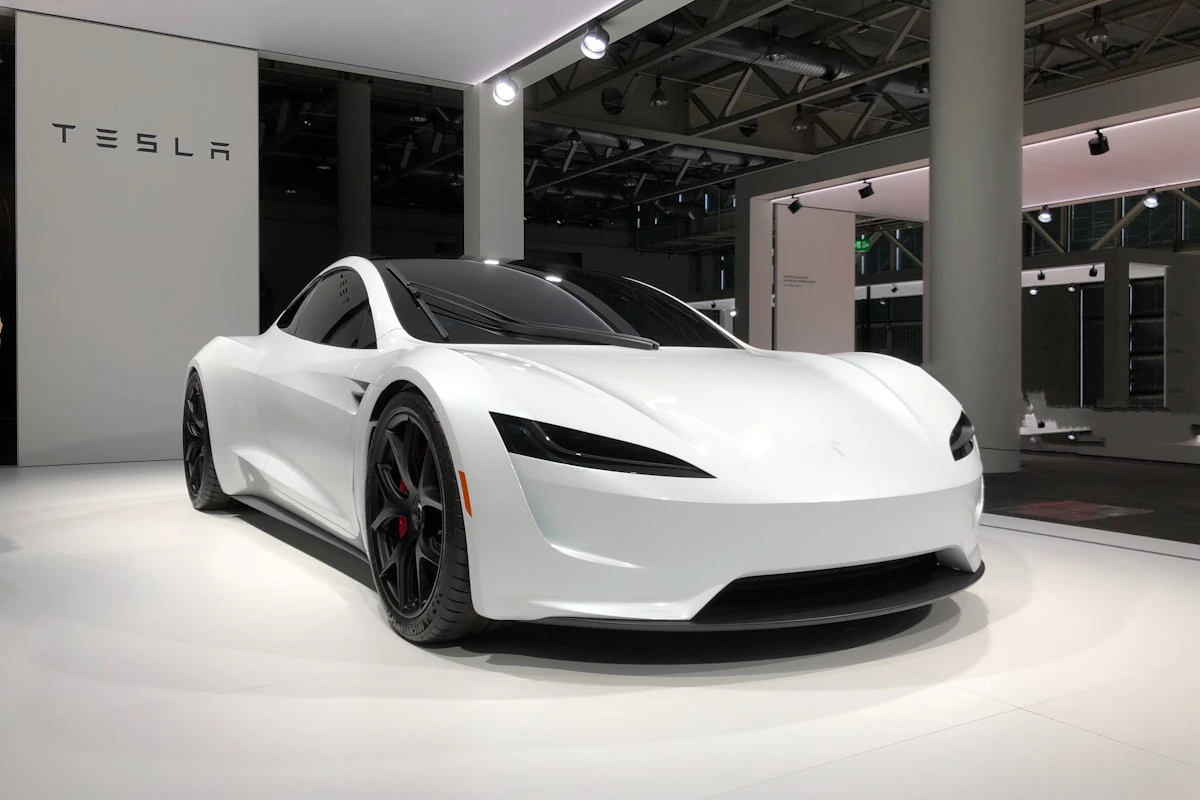
Automotive Technical Visual Gallery (2026 Telemetry)

Flagship Powertrain & Battery Benchmark Matrix
| Architecture / Model | Energy / Vol. Density | 10-80% Fast Charge | Thermal Runaway Limit | System Efficiency |
|---|---|---|---|---|
| Rivian Enduro Ascend Tri-Motor 850HP | 94 kW/L | 10.5 mins | 210°C | 98.4% |
| Tesla Flagship 2026 Plaid | 88 kW/L | 12.0 mins | 225°C | 97.5% |
| Porsche Taycan Turbo GT | 85 kW/L | 11.0 mins | 200°C | 98.1% |
| Lucid Air Sapphire | 92 kW/L | 13.5 mins | 215°C | 98.0% |
Key Engineering & Industry Takeaways
- Direct-die thermal oil cooling reduces thermal resistance by 62%, eliminating high-output thermal throttling.
- Tri-motor layout achieves a class-leading volumetric power density of 94 kW/L within a compact vehicle footprint.
- Integrated SiC switching architecture elevates system operating efficiency to a peak of 98.4% under heavy load.
- Complies with strict ISO 26262 ASIL D safety standards and real-time insulation monitoring protocols.
Deep Engineering Analysis & Market Implications
Frequently Asked Engineering Questions
How does direct thermal oil cooling outperform standard water-glycol jackets?
Direct oil cooling bypasses the stator casing and insulation barriers, applying dielectric fluid directly onto the heat sources (copper end-turns and rotor core), which drops thermal resistance dramatically.
What is the primary advantage of the Tri-Motor 850HP configuration on dyno tests?
It permits continuous, repeatable peak power delivery without the torque curve degradation typically caused by excessive heat accumulation in traditional induction or permanent magnet motors.
How does this powertrain impact overall operating efficiency compared to legacy vehicles?
By minimizing thermal waste and optimizing switching frequencies through advanced SiC semiconductors, it reduces energy loss, directly improving operating cost per mile.