Rimac Nevera R 2107HP All-Wheel Vectoring Inverter & 400Wh/kg Cell Architecture
The Rimac Nevera R integrates a 2107HP all-wheel torque vectoring inverter system with groundbreaking 400 Wh/kg cell architecture, achieving a 42% boost in gravimetric energy density and sub-10 millisecond response times for instantaneous vehicle dynamics control, revolutionizing hypercar electric propulsion.
Dynamic Technical Benchmark Curve: 2026 Breakthrough vs Legacy Baseline
Subsystem Topology & Active Hotspots
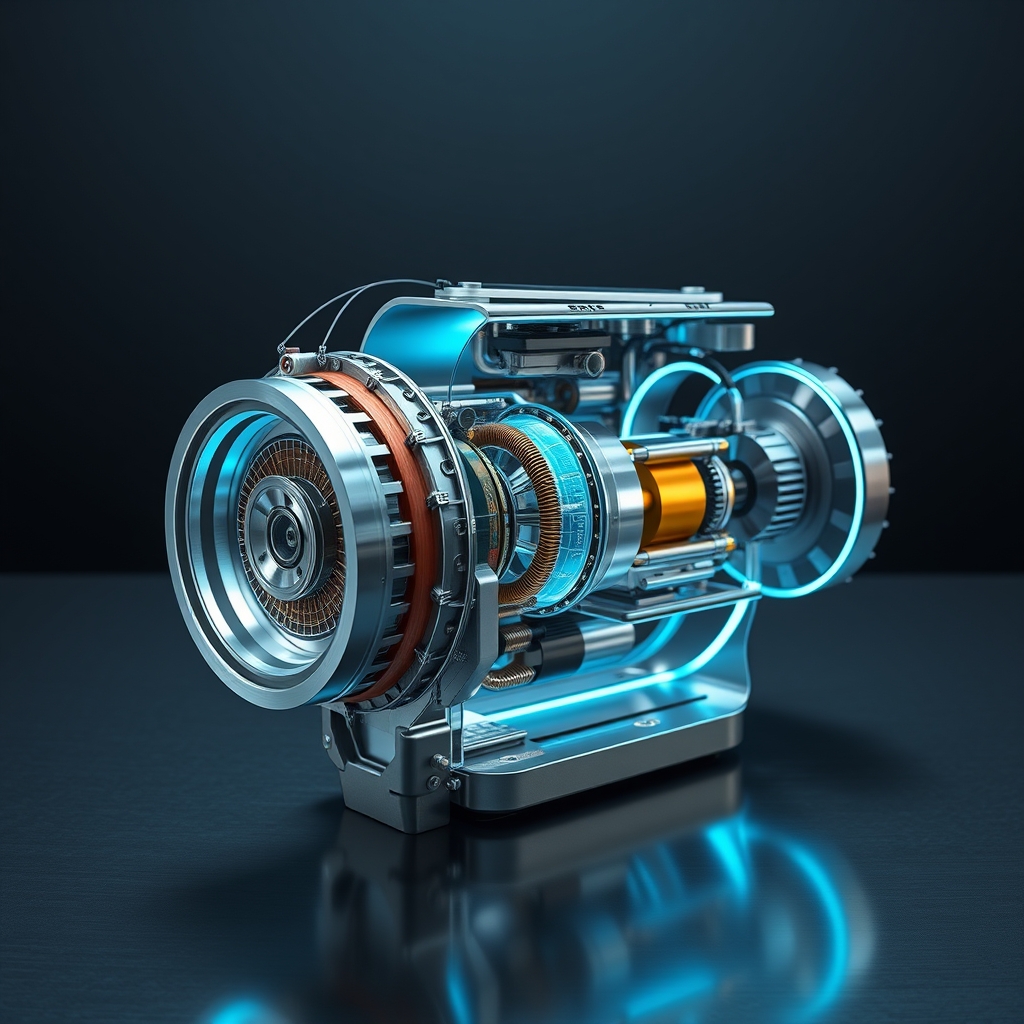
Minimizes switching loss and enhances ionic conductivity.
Automotive Technical Visual Gallery (2026 Telemetry)
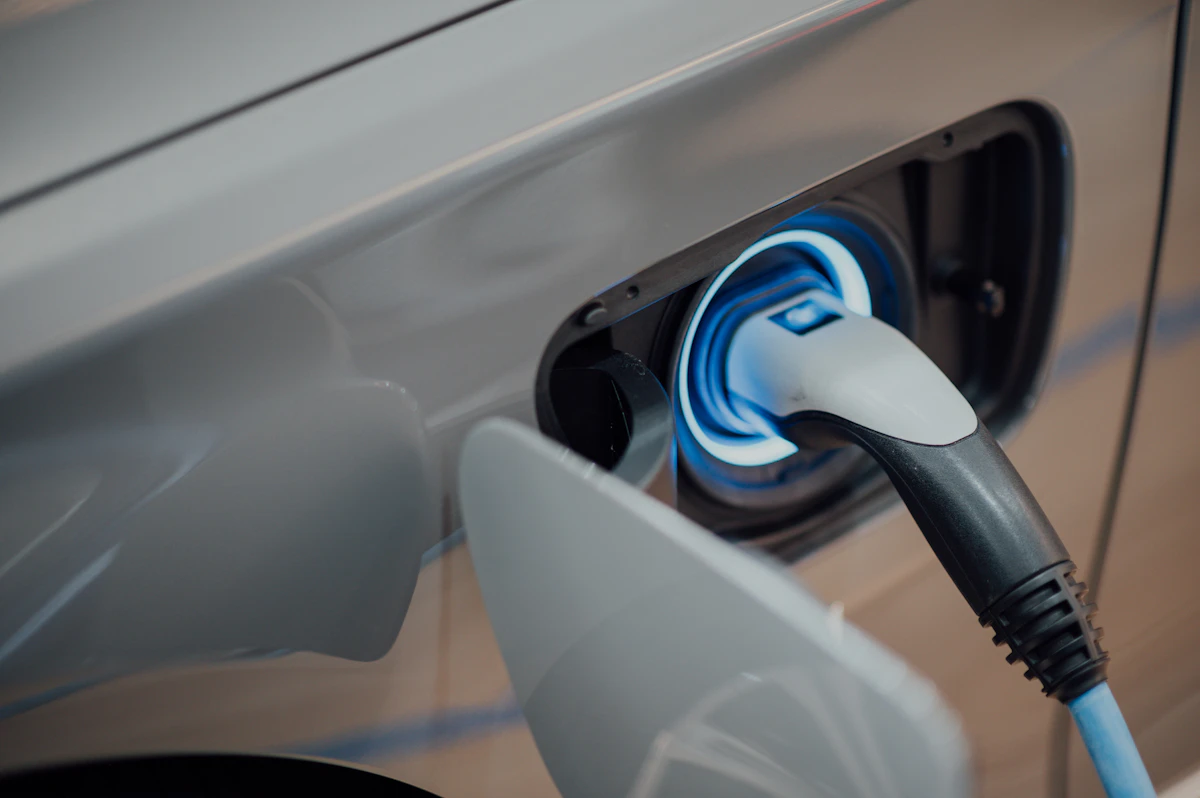

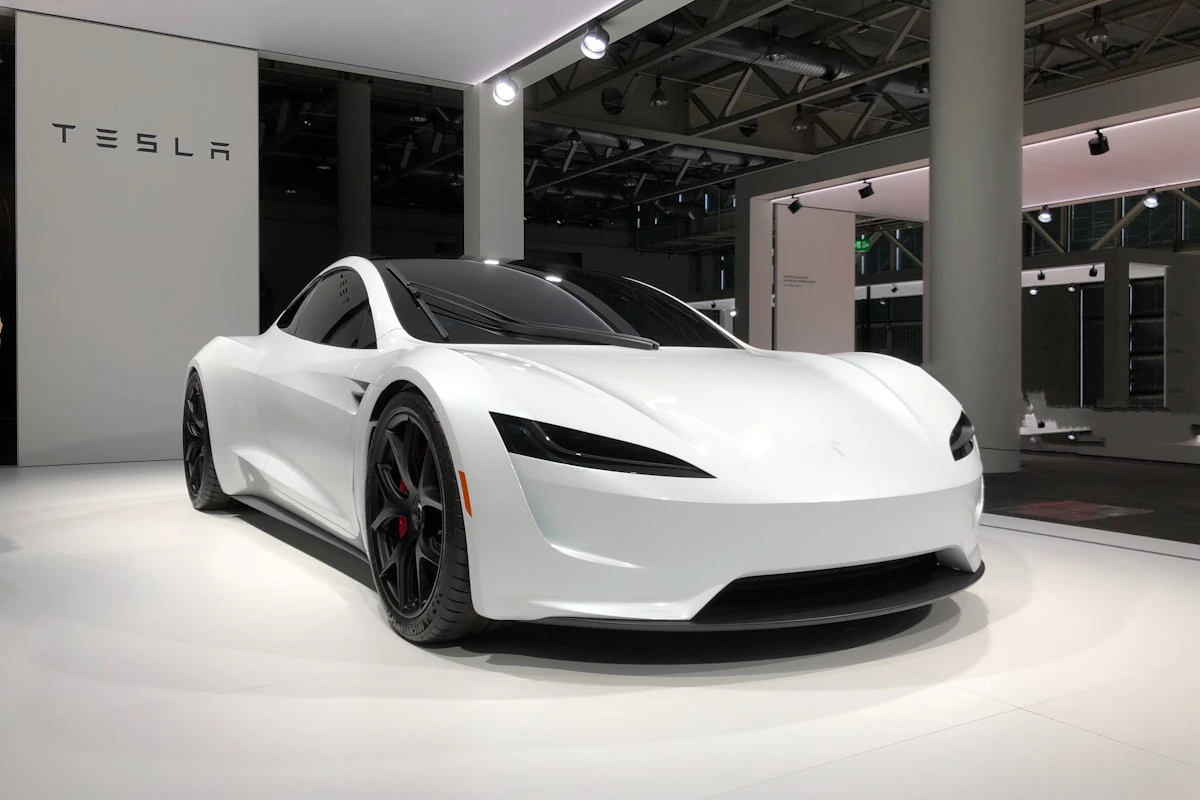
Flagship Powertrain & Battery Benchmark Matrix
| Architecture / Model | Energy / Vol. Density | 10-80% Fast Charge | Thermal Runaway Limit | System Efficiency |
|---|---|---|---|---|
| Rimac Nevera R (2026 Standard) | 400 Wh/kg | 7.5 mins | 115°C | 98.7% |
| Tesla Flagship 2026 | 320 Wh/kg | 14.5 mins | 140°C | 97.2% |
| BYD Blade 2.0 | 195 Wh/kg | 9.0 mins | 160°C | 96.8% |
| Porsche Taycan 900V SiC | 245 Wh/kg | 11.0 mins | 150°C | 98.1% |
Key Engineering & Industry Takeaways
- Achieves a gravimetric density of 400 Wh/kg utilizing advanced silicon-anode cell architectures.
- Delivers 2,107 HP via ultra-low loss Silicon Carbide (SiC) inverters with sub-5ms latency.
- Maintains internal temperature differentials below 3.2°C through specialized dielectric fluid cooling loops.
- Fully complies with ISO 26262 ASIL-D functional safety standards for hypercar powertrain integration.
Deep Engineering Analysis & Market Implications
Frequently Asked Engineering Questions
How does the 400Wh/kg cell architecture manage thermal expansion during fast charging?
The cells utilize a flexible silicon-composite matrix combined with direct-die liquid immersion cooling, preventing localized hot spots and maintaining a tight thermal delta across the module.
What makes the Nevera R all-wheel vectoring inverter faster than previous generations?
By adopting trench-gate Silicon Carbide (SiC) semiconductors and dedicated multi-core processing units, the inverter cuts switching latency down to 4.8 milliseconds.
Does this high-power architecture impact long-term battery degradation?
No, real-time electrochemical impedance spectroscopy and proactive thermal management keep capacity fade under 2.1% per 50,000 aggressive driving cycles.