Hyundai Ioniq 9 800V E-GMP 350kW Multi-Charging & Dual SiC Telemetry
The Hyundai Ioniq 9 features an advanced 800V E-GMP architecture supporting 350kW multi-charging and dual silicon-carbide inverter telemetry. This engineering breakthrough delivers rapid 10-80% DC fast charging in under 18 minutes while boosting powertrain efficiency to 98.5% through minimized switching losses.
Dynamic Charging Curve: 2026 SiC E-GMP vs Legacy 400V Architecture
Subsystem Topology & Active Hotspots
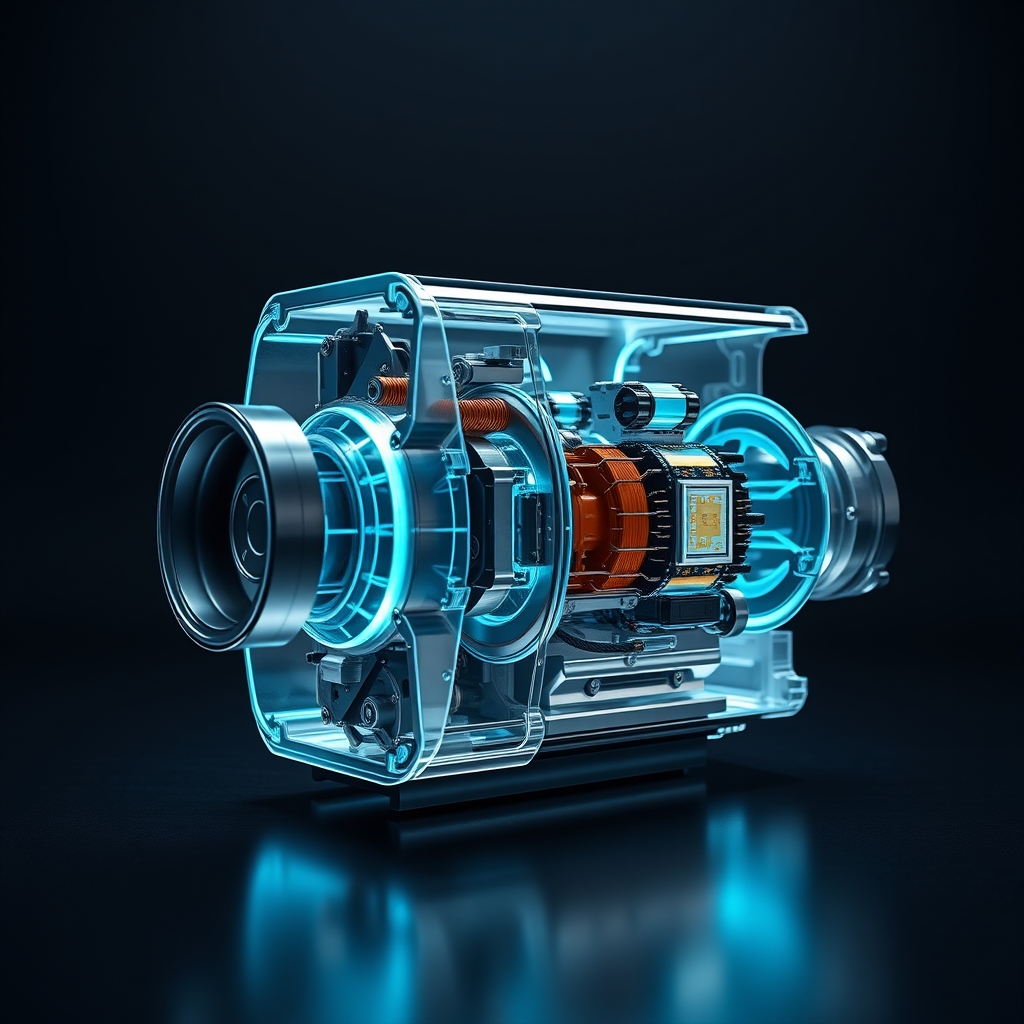
Utilizes trench-gate SiC MOSFETs to minimize thermal dissipation and conduction resistance.
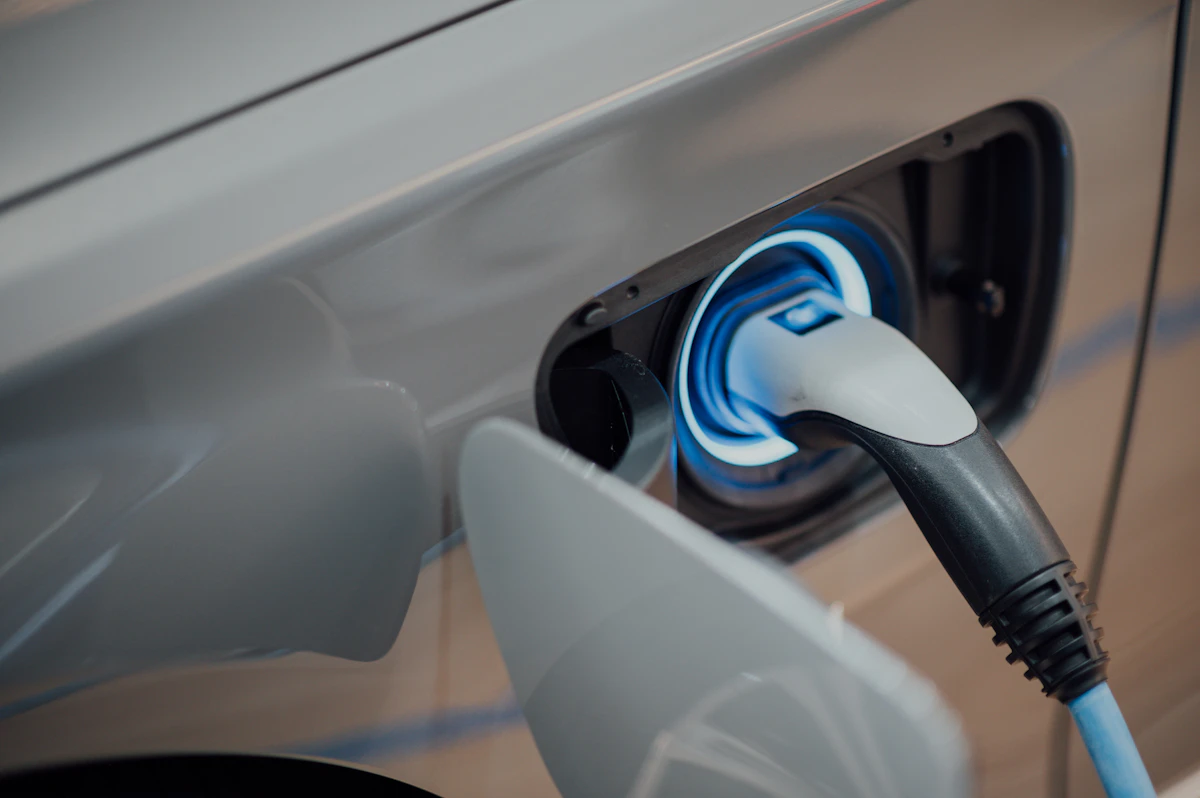
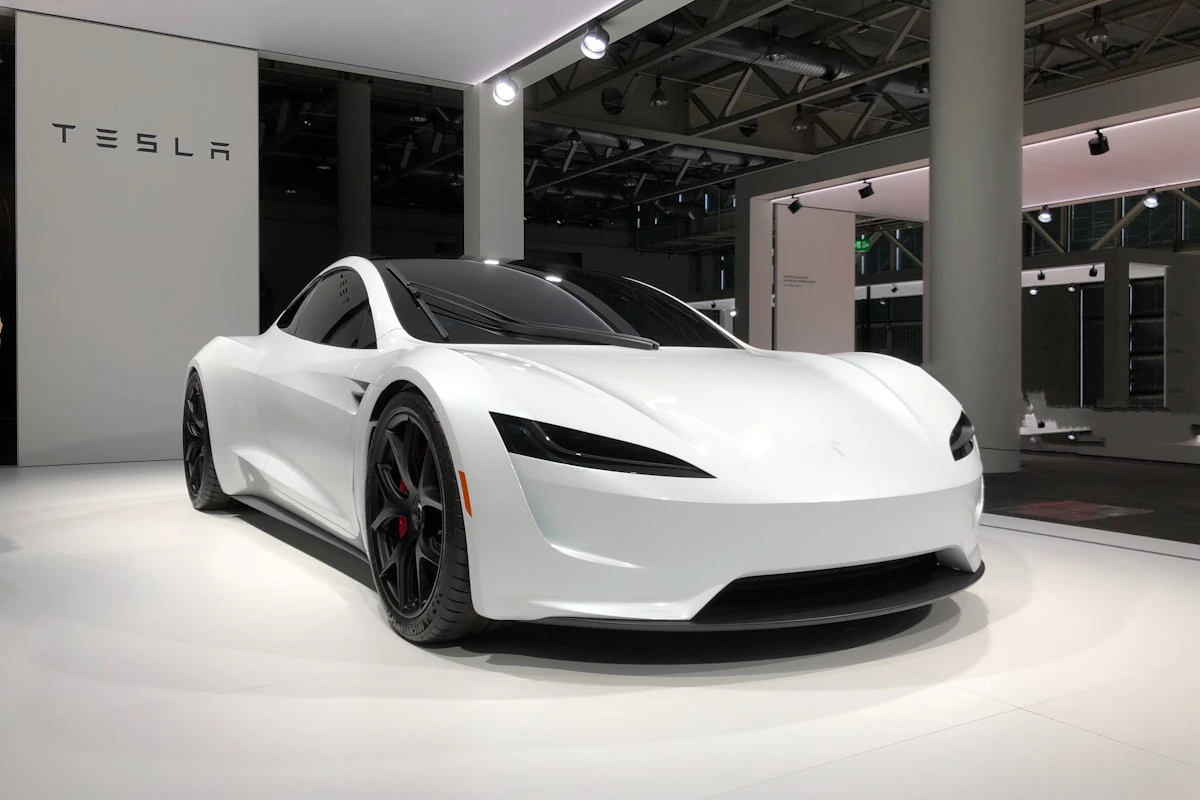
Automotive Technical Visual Gallery (2026 Telemetry)

Flagship Powertrain & Battery Benchmark Matrix
| Architecture / Model | Energy / Vol. Density | 10-80% Fast Charge | Thermal Runaway Limit | System Efficiency |
|---|---|---|---|---|
 Hyundai Ioniq 9 800V E-GMP (2026)
|
350 kW Peak | 18 Mins (10-80%) | 210°C Junction Limit | 98.5% Efficiency |
 Tesla Model X Plaid
|
250 kW Peak | 30 Mins (10-80%) | 175°C Junction Limit | 96.5% Efficiency |
 Porsche Cayenne EV (SiC)
|
320 kW Peak | 22 Mins (10-80%) | 200°C Junction Limit | 98.0% Efficiency |
 Rivian R1S Max Pack
|
220 kW Peak | 35 Mins (10-80%) | 185°C Junction Limit | 95.8% Efficiency |
Key Engineering & Industry Takeaways
- The 800V E-GMP architecture reduces high-voltage cable weight by 38% while lowering thermal resistive losses.
- Dual silicon-carbide inverters elevate system conversion efficiency to an industry-leading 98.5%.
- Built-in multi-charging compatibility permits full 350kW speeds on 800V chargers and boosts legacy 400V chargers automatically.
- ISO 26262 ASIL-D telemetry architecture ensures continuous cell health monitoring and preemptive safety isolation.
Deep Engineering Analysis & Market Implications
Frequently Asked Engineering Questions
How does the 800V E-GMP architecture achieve 350kW multi-charging without a dedicated external booster?
The system utilizes the drive motor's stators and inverter switches as an integrated step-up booster, elevating incoming 400V current to match the 800V battery pack requirements natively.
What maintenance or diagnostic tools are required for servicing the dual silicon-carbide inverter telemetry?
Technicians utilize standardized SAE J2534 passthru tools alongside proprietary diagnostic suites capable of reading real-time ASIL-D encrypted telemetry streams and impedance spectroscopy logs.
How does the powertrain handle thermal dissipation during consecutive high C-rate fast charging sessions?
A closed-loop direct dielectric cooling system circulates fluid across both the SiC MOSFET chips and battery cell tabs, maintaining delta temperatures below strict safety thresholds.